

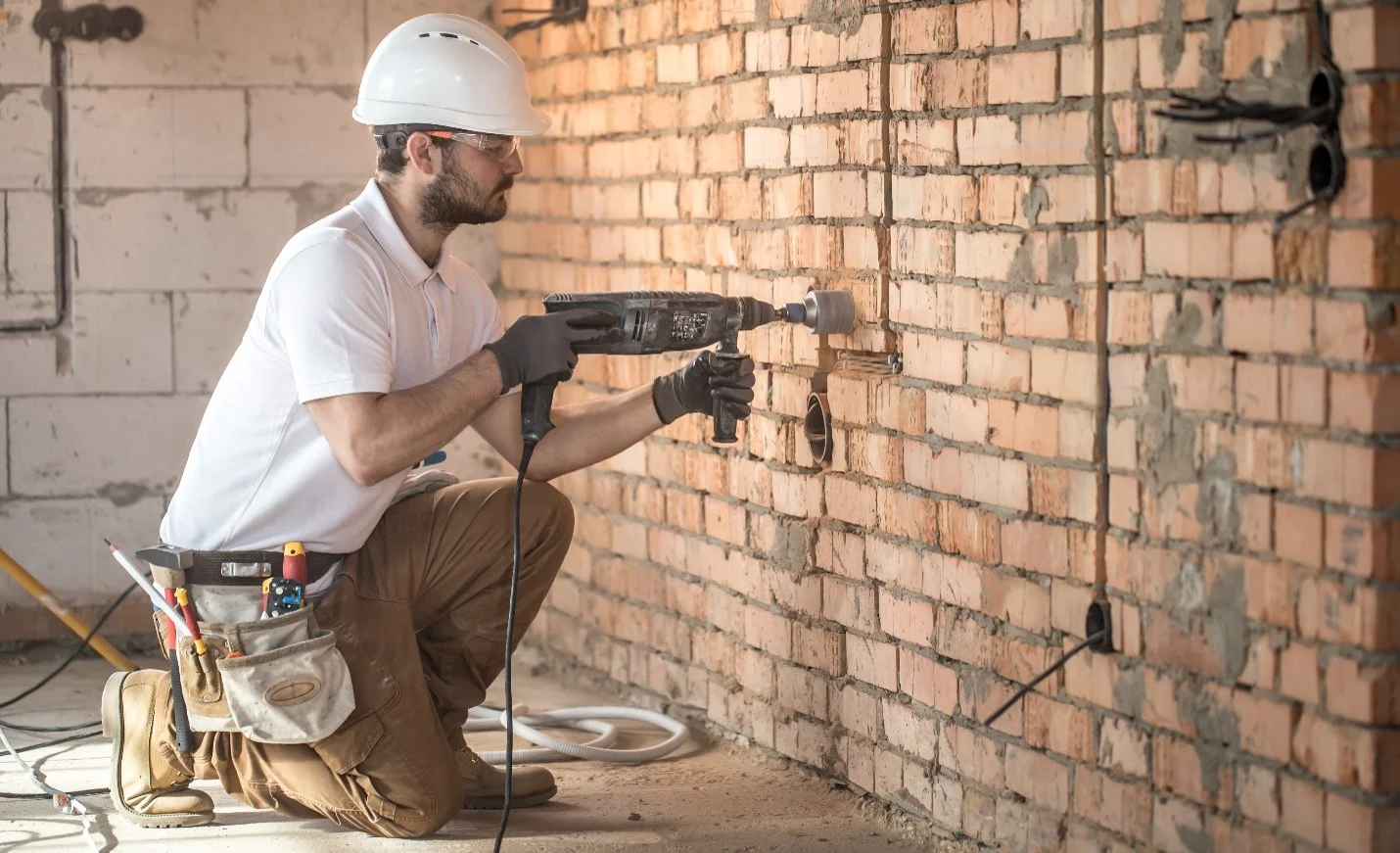
Brickwork can give a property a sense of character that is difficult to replicate with newer materials. But even well-built masonry eventually shows signs of age. Mortar may start crumbling, bricks can crack or loosen, and years of exposure to rain, humidity, heat, and changing temperatures can gradually weaken the surface. Professional restoration is about more than making old brickwork look fresh again. It involves understanding what has caused the deterioration, deciding what actually needs attention, and using the right methods to restore the masonry without creating additional problems.
It Starts With a Careful Masonry Inspection
Before any restoration work begins, we need to understand what is happening with the existing brickwork. A professional inspection looks at the condition of the bricks, mortar joints, surrounding masonry, and visible signs of moisture or movement. A few damaged bricks do not necessarily mean an entire wall needs extensive work, just as crumbling mortar across several sections should not simply be covered with a quick patch. For property owners considering brick masonry restoration in Morrow, GA, this initial assessment helps determine whether the project calls for localized brick repair, mortar restoration, tuckpointing, brick replacement, or a combination of services.
The Mortar Deserves Just as Much Attention as the Brick
People naturally notice a cracked or damaged brick first, but the mortar holding the masonry together is just as important. When mortar joints become weak, powdery, cracked, or deeply recessed, moisture can find easier paths into the masonry system. Restoration may involve carefully removing deteriorated mortar and installing suitable new material in the affected joints. This is where tuckpointing or repointing can become an important part of the work. The objective is not simply to make the joints look new. The repair should work with the existing brick and help preserve the integrity and appearance of the wall.
Damaged Bricks May Need More Than a Surface Fix
Not every damaged brick needs to be replaced, but bricks that are severely cracked, broken, loose, or deteriorated may no longer be good candidates for simple repair. In those situations, careful removal and replacement may be appropriate. We also pay attention to the appearance of replacement materials because a noticeably different brick can stand out long after the repair is finished. Size, texture, color, and overall character can all influence how naturally the repaired section blends with the existing wall.
Cleaning Can Reveal the Real Condition of the Masonry
Brick often looks worse than it actually is after years of dirt, staining, biological growth, and surface buildup. Cleaning can improve the appearance of masonry and make it easier to see which areas genuinely require repair. However, brick should be treated with care. Excessive pressure or an unsuitable cleaning method can damage older or already weakened masonry. A professional approach considers the condition of the surface before deciding how it should be cleaned, especially when restoration and cleaning are being completed as part of the same project.
Look for These Common Signs of Masonry Deterioration
A masonry problem does not always announce itself with a dramatic crack. Sometimes the early signs are subtle and easy to overlook during routine property maintenance. Watch for:
- Crumbling or missing mortar between bricks
- Cracked, chipped, or spalling bricks
- Bricks that appear loose or out of alignment
- Water staining or unusual discoloration
- Sections of masonry that look noticeably worn or deteriorated
- Cracks that continue to grow or appear in multiple areas
These signs do not automatically indicate a major structural issue, but they are worth having evaluated rather than ignoring them until the damage becomes more extensive.
Georgia Conditions Can Affect Brickwork Over Time
Brick is durable, but it is not immune to the environment. Georgia properties experience periods of heat, humidity, heavy rainfall, storms, and changing moisture conditions. Over many years, repeated exposure can contribute to deterioration in brick and mortar. Local knowledge can therefore be valuable when deciding how a masonry problem should be addressed. A contractor familiar with the area’s construction and weather conditions can better recognize common forms of wear and select an appropriate repair strategy.
Restoration Should Address the Cause, Not Just the Appearance
A fresh-looking wall is not necessarily a properly restored wall. If moisture is getting into deteriorated joints, replacing a few visible bricks without addressing the surrounding masonry may leave the underlying problem untouched. Likewise, covering failing mortar without properly preparing the joints can result in another repair sooner than expected. We approach restoration by considering what is causing the visible deterioration and what the existing masonry needs to remain in good condition.
Choose Experience Over a Quick Cosmetic Fix
When searching for a brick repair company near Georgia, it is worth asking how the contractor evaluates masonry before recommending work. Experience with different brick types, mortar conditions, restoration techniques, and related masonry services can make a meaningful difference. The right approach is not always the most extensive one. Sometimes a focused repair is appropriate, while other properties may need more comprehensive restoration. A knowledgeable contractor should be able to explain the reasoning behind the recommended work.
Conclusion
Professional restoration can help preserve the character and condition of brickwork while addressing problems that have developed over time. Whether the concern is deteriorating mortar, damaged bricks, staining, or broader masonry wear, the right repair begins with understanding the existing structure. If you are considering brick masonry restoration in Morrow, GA, contact us at Michael Tuggle – MT Masonry to have your masonry evaluated and learn which restoration or repair services are appropriate for your property.
Contact Us today, for more related information.
FAQs
What is brick masonry restoration?
Brick masonry restoration involves repairing deteriorated bricks, mortar joints, and other damaged areas. The goal is to improve the masonry’s condition while preserving its existing character.
When does brickwork need professional restoration?
Cracked bricks, crumbling mortar, loose bricks, staining, and recurring moisture problems can indicate deterioration. A professional assessment can help determine the appropriate repair or restoration approach.
Can damaged bricks be repaired instead of replaced?
Some minor damage can be repaired, while severely cracked or deteriorated bricks may need replacement. The right solution depends on the brick’s condition and the extent of the damage.
What is the difference between brick repair and tuckpointing?
Brick repair addresses damaged or deteriorated bricks, while tuckpointing focuses primarily on failing mortar joints. Both services may be needed when a masonry wall has multiple types of deterioration.
How can professional masonry restoration help protect brickwork?
Restoration addresses deteriorated materials and can help prevent existing masonry problems from becoming more extensive. It also helps preserve the appearance and long-term condition of the brickwork.